
LifeVantage Protandim NRF2 Review
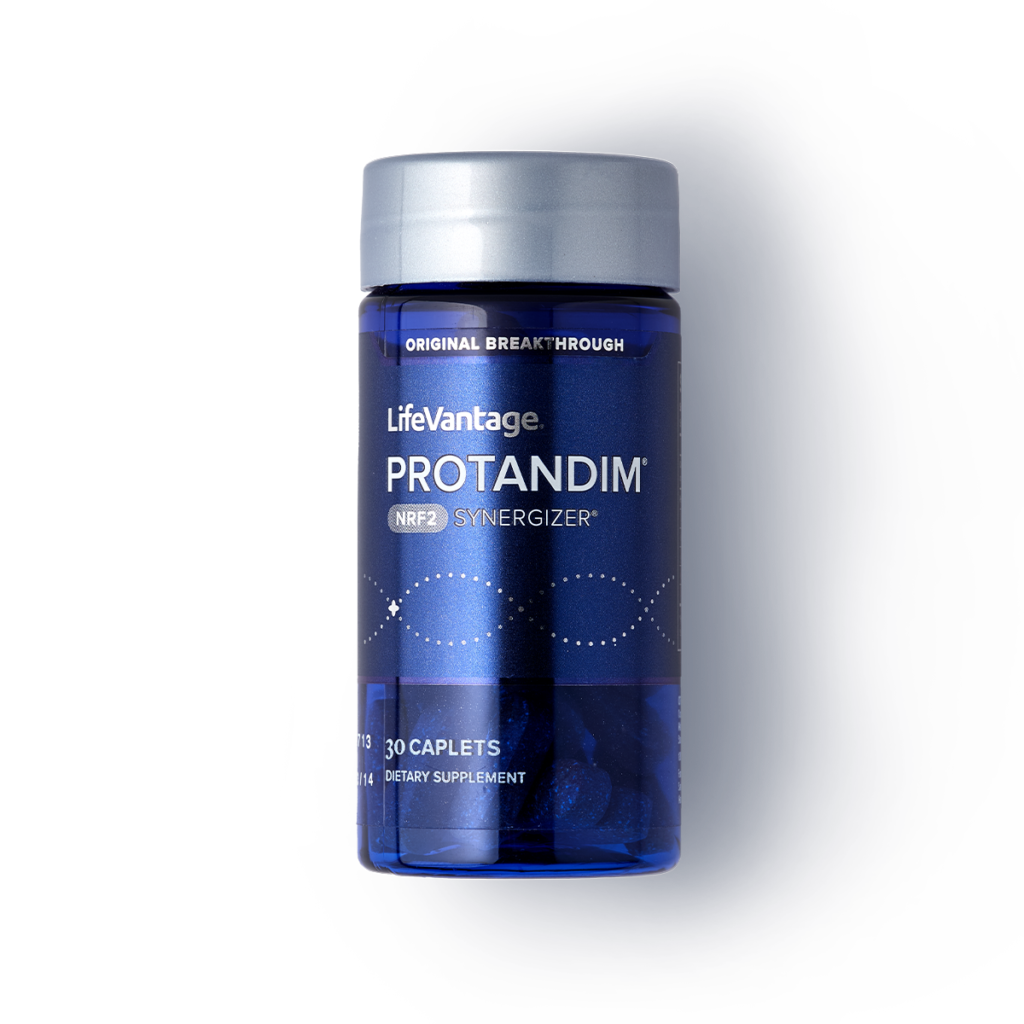
Health and wellness supplements are a huge segment of the nutrition market, ranging from multivitamins to botanical formulas designed to target specific biological pathways. One longstanding product in this space is Protandim Nrf2 Synergizer, marketed as a nutrigenomic formula that activates the body’s internal defense system to promote antioxidant enzyme production, reduce oxidative stress, and support healthy aging.*
LifeVantage positions Protandim as different from standard antioxidant supplements — claiming it stimulates the body’s own protective systems rather than simply supplying antioxidant compounds. But what does that mean, and does the science back it up? Let’s break it all down.
What Is Protandim Nrf2 Synergizer and What Does It Do?
Protandim Nrf2 Synergizer is a daily dietary supplement designed to activate a cellular protein known as Nrf2 (nuclear factor erythroid 2–related factor 2) — a transcription factor that plays a role in regulating antioxidant defenses and stress response pathways at the cellular level. The product is said to:
- Reduce oxidative stress by up to 40% in 30 days,*
- Stimulate the body’s own production of antioxidant enzymes (such as superoxide dismutase, catalase, and glutathione-related enzymes),*
- *Support healthy aging and cell repair mechanisms,
- *Help cells cope with stressors more effectively.
Rather than acting like conventional antioxidants (which scavenge free radicals directly), Protandim is described as an “indirect antioxidant” that turns on Nrf2 so that cells produce protective enzymes themselves. According to the brand, this mechanism allows antioxidant enzymes to neutralize millions of free radicals per second — making them far more potent than dietary antioxidants alone.
What Is Nrf2 — and Why Does It Matter?
Nrf2 is a cellular protein that helps regulate the expression of genes involved in:
- Antioxidant defenses (e.g., enzymes like superoxide dismutase and catalase),
- Phase II detoxification pathways,
- Inflammation regulation,
- Cell survival and stress responses.
When Nrf2 is activated, it moves into the cell nucleus and turns on genes that help combat oxidative stress and moderate inflammatory processes. Oxidative stress — an imbalance between free radicals and antioxidant defenses — has been implicated in aging and many chronic health concerns, though it’s not a “cause” of disease on its own. Supporting antioxidant capacity through lifestyle and nutrition is generally considered beneficial for overall cellular resilience. And can help to protect the skin from damage that causes visible signs of aging.
Protandim is designed specifically to activate this pathway through a combination of botanicals rather than supplying simple antioxidants.
Active Ingredients in Protandim NRF2 Synergizer
Protandim’s core formula is a proprietary blend of five plant extracts chosen for their reported ability to activate the Nrf2 pathway — a key regulator of the body’s internal antioxidant defenses.
The five standardized botanical extracts are:
- Turmeric (Curcuma longa) Root Extract
- Green Tea (Camellia sinensis) Leaf Extract
- Bacopa (Bacopa monnieri) Whole Plant Extract
- Milk Thistle (Silybum marianum) Seed Extract
- Ashwagandha (Withania somnifera) Root Extract
Below is a brief clinical evaluation of each ingredient’s evidence related to oxidative stress, antioxidant signaling, and Nrf2 relevance.
Evaluating Key Botanical Ingredients in Life Vantage Nrf2, for Reducing Oxidative Stress & Visible Aging
1. Turmeric (Curcumin)
- What it does: Powerful antioxidant and anti-inflammatory.
- Evidence: Human studies show it reduces oxidative stress markers and may improve skin hydration and elasticity.
- Takeaway: Strong support for antioxidant effects; some early evidence for skin benefits, but visible anti-aging effects are modest.
2. Green Tea (EGCG)
- What it does: Antioxidant polyphenols, especially EGCG.
- Evidence: Reduces oxidative stress in humans; improves skin hydration, elasticity, and protects against UV damage. Topical forms may reduce wrinkles.
- Takeaway: Strong evidence for oxidative stress reduction and moderate evidence for skin health and anti-aging.
3. Bacopa
- What it does: Supports antioxidant activity and cognitive health.
- Evidence: Improves antioxidant markers, especially under stress. Limited research on skin aging.
- Takeaway: Good for oxidative stress; evidence for visible skin benefits is limited.
4. Milk Thistle
- What it does: Liver-supporting antioxidant (silymarin).
- Evidence: Reduces oxidative stress, mainly in liver/metabolic studies. Limited data on skin aging.
- Takeaway: Moderate support for antioxidant effects; skin benefits are suggestive but minimal.
5. Ashwagandha
- What it does: Reduces stress and oxidative damage.
- Evidence: Lowers oxidative stress markers and stress hormones; some small studies show improved skin texture and elasticity.
- Takeaway: Strong support for oxidative stress; early evidence for skin quality improvements.
Overall Summary
- All five ingredients help reduce oxidative stress in humans or lab studies.
- Turmeric, green tea, and ashwagandha have the strongest human evidence.
- Some ingredients, especially green tea, turmeric, and ashwagandha, show preliminary skin benefits, like improved hydration, elasticity, and protection from UV damage.
- Visible anti-aging effects (wrinkles, collagen loss) can be a result of reducing oxidative stress which can cause visible signs of aging.
Bottom Line
These plant extracts are supported by scientific research for reducing oxidative stress and supporting the body’s natural defense systems. Some also show promising early evidence for improving aspects of skin health associated with aging due to reducing Oxidative stress which can damage the skin. .
- In skin, this can lead to:
- Breakdown of collagen and elastin (the proteins that give skin its firmness and elasticity)
- Fine lines, wrinkles, and sagging
- Uneven skin tone and dullness
- Breakdown of collagen and elastin (the proteins that give skin its firmness and elasticity)
Reducing oxidative stress with antioxidants helps slow or limit this damage, which can help maintain a more youthful-looking appearance over time.
How Protandim Is Supposed to Work
Protandim’s claimed mechanism centers on Nrf2 activation:
- Activation of Nrf2: Certain plant compounds in the formula trigger the movement of Nrf2 into the cell nucleus where it can influence gene expression.
- Upregulation of Antioxidant Enzymes: Once activated, Nrf2 turns on genes that produce endogenous protective enzymes such as superoxide dismutase (SOD), catalase, and glutathione-related enzymes.
- Reduction of Oxidative Stress: With sustained enzyme production, the body’s internal antioxidant capacity increases, helping cells neutralize free radicals more efficiently compared with direct antioxidant supplementation.
- By reducing oxidative stress at the cellular level, this mechanism can help protect skin structure, support collagen and elastin, and improve skin health, potentially slowing or partially reversing visible signs of aging.
By enhancing the body’s own protection systems rather than supplying outside antioxidants, Protandim proponents argue that it offers a deeper level of cellular defense.
Scientific and Clinical Research
The scientific discussion around Protandim mainly revolves around two kinds of studies:
Human Clinical Trials
LifeVantage often refers to a human study showing that Protandim NRF2 reduced markers of oxidative stress by about 40% in 30 days. In this study, researchers measured a blood marker called TBARS, which is commonly used to estimate oxidative stress (cell damage caused by free radicals).
What the Study Did
- Adults of different ages took Protandim once daily for 30 days.
- Blood tests were taken before and after supplementation.
What the Results Showed
- After 30 days, participants had about a 40% reduction in TBARS, suggesting lower levels of oxidative stress in the body.
- Age-related differences in oxidative stress that were present at the start of the study were no longer seen after supplementation.
- In longer follow-ups (around 120 days), participants also showed increases in the body’s own antioxidant enzymes, such as superoxide dismutase (SOD) and catalase — enzymes that help protect cells from damage.
https://investor.lifevantage.com/news-releases/news-release-details/human-study-shows-protandimr-provides-fundamentally-new-approach
What This Means
TBARS is a lab marker, not a disease measurement. Lower levels suggest that the body may be better at handling oxidative stress. These results support the idea that Protandim may help the body boost its own antioxidant defenses rather than supplying antioxidants directly.
Preclinical Research
Several studies, including peer-reviewed laboratory research, examine Protandim’s effects in cell cultures or animal models:
- A study with cultured mouse heart cells showed that Protandim more robustly activated Nrf2 and increased expression of phase II antioxidant enzymes compared with oxidative stress alone, and that this helped protect cells against oxidative damage. https://pubmed.ncbi.nlm.nih.gov/23201694/
- A National Institute on Aging Interventions Testing Program (NIA ITP) study in mice found that Protandim extended median lifespan in male mice by approximately 7% (and a smaller increase in females), suggesting potential effects on aging processes in animal models.
https://pmc.ncbi.nlm.nih.gov/articles/PMC5013015/
These preclinical findings support the biological plausibility of Nrf2 activation and antioxidant enzyme production but do not directly translate to human disease prevention or lifespan extension.
What the Evidence Does — and Does Not — Show
Evidence Suggests:
✔ Protandim may reduce markers of oxidative stress in humans over a short period.*
✔ Protandim activates the Nrf2 pathway in cell and animal research, leading to increased antioxidant enzyme expression.
✔ Animal studies indicate possible effects on lifespan and cellular stress resistance in controlled research settings.
Evidence Does Not Show:
✘ That Protandim prevents, treats, or cures disease (such claims would require substantial clinical proof and regulatory approval).
✘ That Protandim leads to dramatic or guaranteed “anti-aging” outcomes, because aging is multifactorial and cannot be reversed by a single supplement.
✘ Large independent, long-term clinical trials in healthy populations showing clear functional health improvements beyond biomarkers.
Importantly, no supplement — including Protandim — is a replacement for a healthy lifestyle or medical treatment when needed. Results vary widely among individuals, and many studies involving botanicals have mixed or context-dependent results.
Conclusion: Balanced Perspective on Protandim NRF2
Proteandim Nrf2 Synergizer is an example of a nutrigenomic supplement that targets the Nrf2 antioxidant pathway — a well-studied cellular mechanism involved in stress response and gene regulation. The combination of turmeric, green tea, bacopa, milk thistle, and ashwagandha is designed to work together to stimulate internal antioxidant enzyme production.
By reducing oxidative stress, Protandim Nrf2 can assist in reversing the visible signs of aging by protecting the skins collagen and elastin. As well as reducing damage to the skin caused by oxidative stress.
There is scientific plausibility and some supportive data showing reductions in oxidative stress markers in humans and Nrf2 activation in preclinical models, but evidence from large, high-quality, peer-reviewed clinical trials remains limited. No supplement — including Protandim
 by admin