
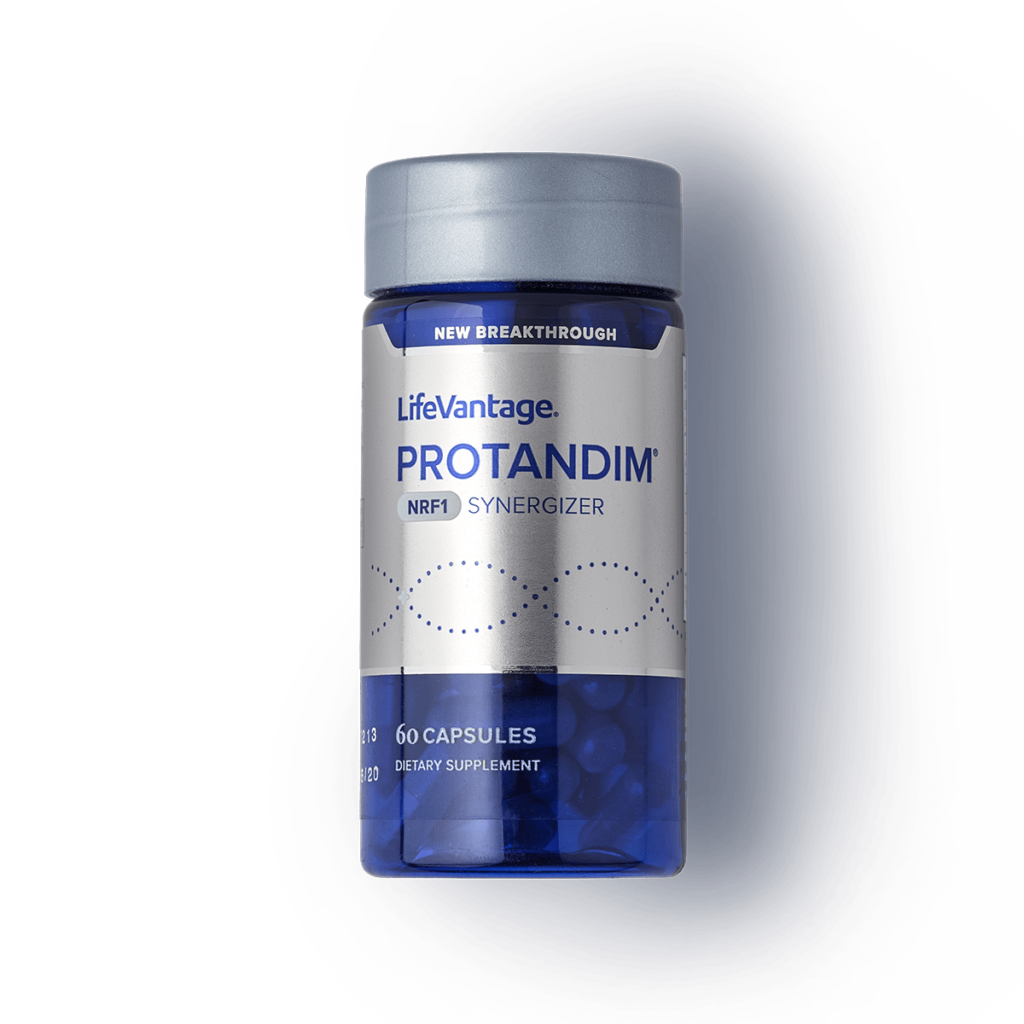
Protandim NRF1 Synergizer Review
Life Vantage Protandim NRF1 Synergizer is a dietary supplement marketed by LifeVantage aimed at supporting mitochondrial health, cellular energy, and healthy aging.* It is positioned as part of LifeVantage’s “nutrigenomics” product line — supplements formulated to influence cellular pathways that control stress, energy, and other aspects of cellular function.*
At its core, Protandim NRF1 combines a set of plant-derived nutrients and cofactors that, according to the company, help activate the NRF1 pathway — a molecular signaling cascade involved in the regulation of mitochondrial biogenesis and function — to support cellular energy production and metabolic health.*
Below, we break down the ingredients, the biological rationale behind them, the evidence (or lack thereof), and how the product is intended to be used.
What is NRF1 and Why It Matters
Nuclear respiratory factor 1 (NRF1) is a transcription factor — that is, a protein that helps switch on specific genes. In the context of mitochondria, NRF1 plays a role in regulating mitochondrial biogenesis and oxidative phosphorylation by controlling the expression of nuclear genes important for mitochondrial DNA transcription, electron transport chain components, and related processes.
Mitochondria are the energy powerhouses of cells, generating adenosine triphosphate (ATP), the molecule most cells use for energy. Mitochondrial function naturally declines with age and stress, so NRF1’s influence on mitochondrial gene networks has scientific interest for energy metabolism and cell health.
Importantly, while cellular signaling pathways like NRF1 are well established in cell biology research, there are no high-quality clinical trials showing that any supplement definitively “activates NRF1 in humans” and improves health outcomes. Much of the research on NRF1 has been performed in lab models and cell systems to understand fundamental biology, not to validate supplement effects.*
The Active Ingredients in Protandim NRF1
Protandim NRF1’s formula blends several ingredients that are each associated, to varying degrees, with cellular energy metabolism, antioxidant activity, or mitochondrial support. Here’s what’s in the blend* and the scientific context around them:
1. Acetyl-L-Carnitine (ALCAR)
Acetyl-L-carnitine is an amino acid derivative your body naturally makes. Its job is to transport long-chain fatty acids into mitochondria so they can be used for energy production. It has been studied for effects on energy metabolism and nervous system function, especially since the acetylated form crosses the blood-brain barrier.
Research context:
Animal and human studies suggest that ALCAR plays a role in transporting fatty acids for mitochondrial fuel and may help counter age-related declines in mitochondrial function. Some small clinical studies have linked ALCAR to reduced fatigue and modest metabolic benefits, though evidence for significant clinical effects (e.g., cognitive benefits) is limited and inconsistent.
2. Alpha-Lipoic Acid (ALA)
ALA is a naturally occurring antioxidant and cofactor involved in mitochondrial enzyme complexes. In cells, it participates in turning glucose into usable energy and helps regenerate other antioxidants.
Research context:
ALA has been studied for its antioxidant roles and potential support of cellular metabolism. Laboratory and animal research shows it may reduce oxidative stress and support mitochondrial enzymes. However, clinical evidence for large-scale benefits in humans is limited, and studies often have mixed or condition-specific results.
3. Quercetin
Quercetin is a flavonoid — a plant-derived polyphenol found in many fruits and vegetables — that exhibits antioxidant activity and may influence signaling pathways in cells.
Research context:
Quercetin has been explored for its antioxidant and anti-inflammatory properties. Some lab research suggests it might indirectly support mitochondrial function by reducing oxidative damage. Like many flavonoids, its systemic effects in humans are modest and depend on dose and bioavailability, which vary widely across studies.
4. Grape Extract (Resveratrol and Related Stilbenoids)
This extract includes compounds such as resveratrol, a polyphenol associated with plant stress responses. In lab settings, resveratrol has been shown to influence cell signaling pathways related to aging and metabolism.
Research context:
Resveratrol has attracted attention for potential metabolic effects, possibly influencing energy metabolism and stress responses in cells. However, human trials show mixed results, with some metabolic benefits in specific contexts but not definitive support for broad effects like anti-aging in healthy adults.
5. Coenzyme Q10 (CoQ10)
CoQ10 is a naturally occurring molecule central to electron transport in mitochondria — a key step in ATP generation. The “ubiquinol” form (reduced form) can also act as an antioxidant.
Research context:
CoQ10 is widely studied, particularly for heart health and fatigue associated with statin use. While some studies suggest benefits in specific conditions like heart failure, results are mixed and not consistently strong across all populations. Systematic reviews find insufficient evidence to recommend CoQ10 broadly for preventing disease or improving mitochondrial energy in healthy adults.
How Protandim NRF1 Is Intended to Be Used
LifeVantage instructs users to take two capsules in the morning with food and water. The supplement is labeled vegetarian, gluten-free, and dairy-free. It’s marketed to adults — not for use by individuals under 18, pregnant or nursing women — and not meant to replace a balanced diet or healthy lifestyle.*
The company frames Protandim NRF1 as a performance and cellular energy product, designed to complement other lifestyle activities that support health and energy — similar to how people might use general multivitamins or performance supplements.
Intended Benefits vs. Scientific Evidence
Protandim NRF1 benefits:
- Improve performance and energy by supporting ATP production.*
- Support cellular health and mitochondrial function.*
- Promote healthy aging by supporting pathways implicated in cellular energy metabolism.*
However, here’s the important context:
- While ingredients like ALCAR, ALA, quercetin, grape polyphenols, and CoQ10 have biological roles linked to energy metabolism and oxidative stress, evidence for meaningful clinical benefits in healthy adult populations is limited or mixed. Many studies show modest biochemical changes, but fewer demonstrate clear improvements in hard health outcomes.
- There’s no robust human trial proving that taking Protandim NRF1 improves mitochondrial function or longevity. Claims about NRF1 activation in humans are extrapolated from basic biology and in vitro research, not large clinical evidence.
Bottom Line
Protandim NRF1 Synergizer is a nutritional supplement combining several ingredients with roles in energy metabolism and oxidative biology. It’s designed to support cellular energy, mitochondrial health, and general well-being as part of a broader healthy lifestyle.
Its ingredients are biologically active and have been studied individually, with some evidence of effects on cellular energy pathways and oxidative stress in lab and small clinical settings. However, strong clinical evidence showing that the product itself improves health outcomes, activates NRF1, or delays aging in humans is lacking.
For anyone interested in mitochondrial health or energy metabolism, a balanced diet, regular exercise, and evidence-based medical guidance should remain foundational — and supplements like Protandim NRF1 can, at best, play a supportive role with realistic expectations and discussion with a healthcare provider.
 by admin