

LifeVantage Protandim NAD Synergizer Review
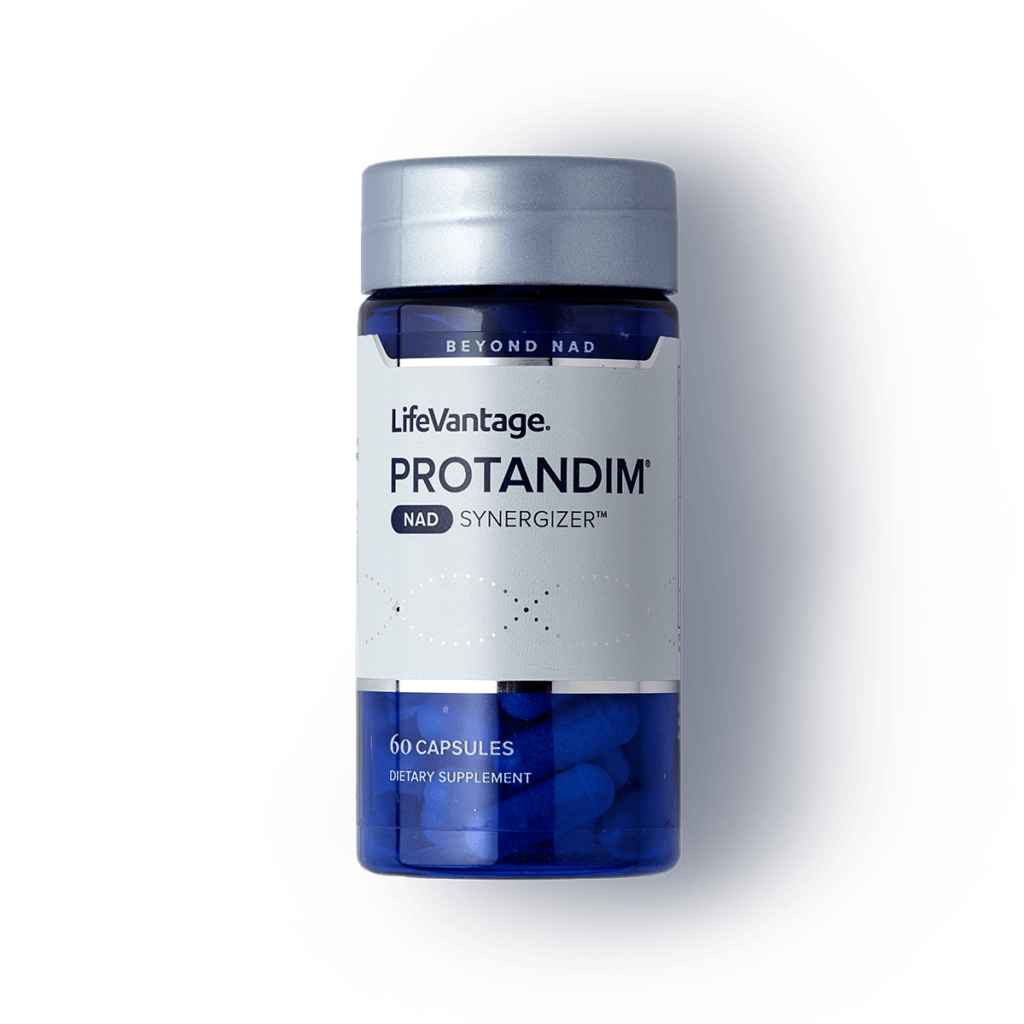
In the crowded marketplace of health supplements, Protandim NAD Synergizer stands out as one of LifeVantage’s newest offerings, marketed under the company’s Protandim family of “nutrigenomic” supplements. As the name suggests, the focus for this formulation is on NAD (nicotinamide adenine dinucleotide) — a critical cellular molecule tied to energy metabolism, mitochondrial function, and a group of enzymes known as sirtuins — which have been studied in the context of aging biology and cellular repair.
LifeVantage promotes Protandim NAD as a product that “supports healthy longevity, cellular waste removal (autophagy), mental focus, energy, healthy inflammation response, and vascular health.” According to the official product page, the formula has been shown to double sirtuin activity in just 24 hours — an effect the company directly connects to boosting NAD-related pathways without the need for caloric restriction or other drastic interventions.
But what’s actually in it — and what does the evidence say?
Understanding NAD and Its Role in Cellular Health
NAD is a coenzyme present in all living cells. It plays a central role in redox reactions, which allow cells to convert nutrients into usable energy in the form of ATP. Beyond energy production, NAD is also required for the function of several enzyme families, including sirtuins and PARPs, which are involved in DNA repair, gene regulation, and cellular stress responses.
Research has shown that NAD levels decline with age, metabolic stress, and chronic inflammation. This decline has been associated with reduced mitochondrial efficiency and impaired cellular maintenance in laboratory and animal models. As a result, scientists have explored whether supporting NAD-related pathways could help maintain cellular function over time. While this area of research is active and promising, it remains complex, and translating findings from basic science into clear clinical outcomes in humans is still an ongoing process.
Protandim NAD is designed to work within this biological context, using a blend of nutrients and plant compounds intended to support NAD-dependent processes rather than supplying NAD directly.
What’s in Protandim NAD Synergizer
The active formulation combines a small set of plant-derived and nutrient components. The label lists:
1. Wasabi (Wasabia japonica) Rhizome Powder
Wasabi contains compounds known as isothiocyanates, which are also found in other cruciferous vegetables. These compounds have been studied for their ability to influence cellular defense systems and metabolic signaling pathways. Laboratory research suggests isothiocyanates may interact with gene-regulating mechanisms involved in inflammation and oxidative stress.
Within Protandim NAD, wasabi is included as a component intended to support metabolic signaling and cellular resilience. However, while the biological activity of isothiocyanates is well documented in experimental settings, direct clinical evidence linking wasabi supplementation to increased NAD levels or improved sirtuin activity in humans remains limited.
2. Olive (Olea europaea) Leaf Extract
Olive leaf extract is rich in polyphenols such as oleuropein, which have been studied for antioxidant and anti-inflammatory properties. Human studies involving olive leaf extract have explored its effects on cardiovascular markers, oxidative stress, and inflammatory balance, with modest but measurable results in certain populations.
In Protandim NAD, olive leaf extract is positioned as a supportive ingredient for maintaining a healthy inflammatory response and overall cellular environment. While these effects align with the broader goals of cellular health, olive leaf extract has not been conclusively shown to directly elevate NAD levels in clinical studies.
3. Cuprous Niacin
Niacin (vitamin B3) is a well-established precursor in the NAD biosynthesis pathway. The body converts various forms of niacin into NAD through a series of enzymatic steps. Cuprous niacin, the form used in Protandim NAD, combines niacin with copper, a trace mineral involved in several enzymatic processes.
Although niacin’s role in NAD production is well understood, the dosage used in Protandim NAD is relatively modest compared to amounts used in clinical studies targeting lipid metabolism or therapeutic NAD restoration. As such, its role in the formula is best viewed as supportive rather than pharmacological.
4. Theacrine
Theacrine is a naturally occurring purine alkaloid structurally similar to caffeine. It has been studied primarily for its potential effects on mental alertness, mood, and perceived energy, with some evidence suggesting it may offer these benefits without the tolerance buildup commonly associated with caffeine.
In the context of Protandim NAD, theacrine appears to complement the product’s emphasis on mental clarity and daytime energy. While it may contribute to subjective improvements in focus or alertness, it is not directly involved in NAD synthesis or sirtuin activation based on current evidence.
How Protandim NAD Is Intended to Be Used
According to the official product guidance, users are instructed to:
- Take 2 capsules in the morning with food and water once daily.
- The product is vegan, gluten-free, and dairy-free.
- It is intended for adults 18 and older and not recommended for pregnancy or nursing.
In marketing language, LifeVantage suggests this daily routine helps “flip the switch” on NAD-dependent pathways that decline with age, offering energy, mood, cognitive function, and cellular cleanup benefits.
Understanding NAD, Sirtuins, and the Biological Claims
NAD (nicotinamide adenine dinucleotide) is a coenzyme present in all living cells, critical for energy metabolism, mitochondrial function, DNA repair, and signaling. Its levels naturally decline with age, which has led researchers to explore whether boosting NAD could support aspects of healthy aging.
Sirtuins are a family of enzymes that depend on NAD to function — they regulate gene expression, DNA repair, metabolism, and autophagy (a cellular cleanup process). In model organisms like yeast and rodents, increased sirtuin activity (often triggered by calorie restriction or NAD precursors such as nicotinamide riboside or NMN) has been linked to improved stress resistance and metabolic health, though translation to clear human health outcomes remains under investigation.
However, there is no robust, peer-reviewed clinical evidence proving that Protandim NAD Synergizer, as a specific supplement formula, reliably increases NAD levels or doubles sirtuin activity in humans. The claims about doubling sirtuin activity in 24 hours are based on proprietary, manufacturer-reported data, and not on published, independently reviewed clinical trials.
Benefits Promoted vs. Scientific Support
Protandim NAD benefits:
- Cellular energy production
- Healthy aging and longevity pathways
- Mental focus and cognitive performance
- Cellular cleanup processes such as autophagy
- A balanced inflammatory response
A Balanced Perspective
Life Vantage Protandim NAD Synergizer reflects growing interest in cellular health, mitochondrial function, and the molecular processes associated with aging. Its formulation draws on ingredients with known roles in metabolism, antioxidant defense, and cellular signaling, assembled into a product intended for consistent, long-term use.
At the same time, consumers should approach the product with realistic expectations. While the science behind NAD and sirtuins is compelling, supplementation in this area remains an evolving field. Lifestyle factors such as regular physical activity, adequate sleep, balanced nutrition, and metabolic health continue to have the strongest evidence for maintaining NAD levels and cellular function.
As with any dietary supplement, Protandim NAD is best viewed as a potential adjunct to—not a replacement for—evidence-based health practices.
 by admin